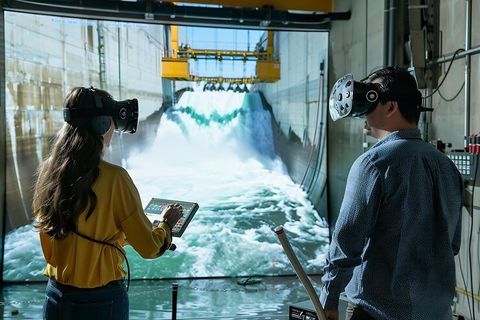
Renewable energy solution systems refer to technologies that generate power from naturally replenishing sources such as sunlight, wind, water, biomass, and geothermal heat. These systems are increasingly being compared based on efficiency, cost, scalability, and environmental impact to help individuals, businesses, and governments make informed decisions.
This comparison has become more relevant in recent years due to rising energy demand, climate change concerns, and global commitments to reduce carbon emissions. Countries are shifting toward cleaner energy portfolios, supported by advancements in solar panels, wind turbines, battery storage, and smart grid technologies.

Recent trends show a significant decline in the cost of solar and wind energy, making them competitive with fossil fuels. According to international energy agencies, renewables now account for a growing share of new power installations globally. The impact is substantial—reducing greenhouse gas emissions, improving energy security, and creating new economic opportunities.
Understanding how different renewable systems compare helps users select solutions based on location, budget, and energy needs, making this topic both timely and essential.
Who It Affects and What Problems It Solves
Renewable energy systems affect a wide range of stakeholders, including households, industries, policymakers, and energy providers. Homeowners benefit from reduced electricity bills and energy independence, while businesses use renewable systems to meet sustainability targets and reduce operational costs.
Governments and policymakers are heavily involved in shaping renewable adoption through incentives, infrastructure investment, and regulations. At a broader level, communities benefit from cleaner air, reduced pollution, and long-term energy stability.
Problems It Solves
- Climate Change: Reduces carbon emissions compared to fossil fuels
- Energy Security: Decreases dependence on imported fuels
- Rising Energy Costs: Offers long-term cost stability
- Environmental Degradation: Minimizes air and water pollution
- Resource Depletion: Uses renewable, naturally replenished sources
Renewable systems also address energy access challenges in remote or rural areas where traditional grid infrastructure is limited.
Recent Updates and Trends
Over the past year, renewable energy has seen several important developments:
- Solar Efficiency Improvements: New photovoltaic technologies have improved efficiency rates beyond 22–24% in commercial panels
- Battery Storage Growth: Lithium-ion and alternative battery technologies have expanded, enabling better energy storage and grid reliability
- Wind Energy Expansion: Offshore wind projects are growing rapidly, especially in Europe and Asia
- Policy Push: Many countries have updated renewable targets for 2030–2050, aligning with net-zero goals
- Hybrid Systems: Integration of solar + storage + grid systems is becoming more common
India, for example, continues to expand solar parks and rooftop solar adoption under national missions. Globally, renewable capacity additions have consistently outpaced fossil fuel installations.
Comparison of Renewable Energy Systems
| System Type | Energy Source | Efficiency Range | Initial Cost | Maintenance | Best Use Case | Limitations |
|---|---|---|---|---|---|---|
| Solar Power | Sunlight | 15%–24% | Medium | Low | Residential, commercial rooftops | Weather dependent |
| Wind Energy | Wind | 35%–45% | High | Medium | Large-scale farms, coastal areas | Requires strong wind conditions |
| Hydropower | Flowing water | 70%–90% | Very High | Low | Large dams, river systems | Environmental impact |
| Biomass Energy | Organic matter | 20%–30% | Medium | High | Rural, agricultural areas | Emissions if not managed |
| Geothermal | Earth heat | 10%–20% | High | Low | Specific geographic regions | Location-specific |
Key Insights
- Hydropower remains the most efficient but has environmental trade-offs
- Solar is the most accessible and scalable for individuals
- Wind is highly efficient but location-dependent
- Biomass offers waste management benefits
- Geothermal provides consistent energy but limited availability
Laws and Policies Affecting Renewable Energy
Renewable energy adoption is strongly influenced by national and regional policies. In India, several programs support renewable growth:
- National Solar Mission: Promotes solar energy capacity expansion
- Renewable Purchase Obligations (RPO): Requires utilities to source a portion of energy from renewables
- Subsidies and Tax Benefits: Available for rooftop solar installations
- Net Metering Policies: Allow users to sell excess electricity back to the grid
Practical Guidance
- Residential Users: Rooftop solar with net metering is often the most practical and cost-effective
- Businesses: Hybrid systems combining solar and storage can reduce peak energy costs
- Rural Areas: Biomass or small solar systems can provide decentralized energy
- Industrial Use: Wind or solar farms can support large-scale energy needs
Policy frameworks vary by country, so users should always check local regulations before implementation.
Tools and Resources
Several tools and platforms can help analyze and implement renewable energy systems:
- Solar Calculators: Estimate energy generation and savings
- Energy Monitoring Apps: Track consumption and efficiency
- Government Portals: Provide subsidy and policy information
- Simulation Software: Used for system design and feasibility analysis
- Carbon Footprint Calculators: Measure environmental impact
Useful Resource Types
- Online ROI calculators for solar installations
- Renewable energy project planning templates
- Grid integration and storage planning tools
- Energy audit tools for businesses
These resources help users make data-driven decisions and optimize system performance.
Frequently Asked Questions
What is the most efficient renewable energy system?
Hydropower is generally the most efficient, but solar and wind are more practical for widespread use due to lower infrastructure requirements.
Which renewable energy is best for homes?
Solar energy is the most suitable for residential use due to ease of installation and decreasing costs.
Are renewable energy systems expensive?
Initial costs can be high, but long-term savings and government incentives often offset the investment.
Can renewable energy fully replace fossil fuels?
While possible in the long term, it requires infrastructure upgrades, storage solutions, and policy support.
What factors should be considered before choosing a system?
Location, budget, energy needs, government policies, and available resources should all be evaluated.
Conclusion
Renewable energy solution systems are rapidly transforming the global energy landscape. Each system—solar, wind, hydropower, biomass, and geothermal—offers unique advantages and limitations. Data trends show that solar and wind are leading in adoption due to falling costs and scalability, while hydropower remains dominant in efficiency.
From a practical standpoint, solar energy stands out as the most versatile and accessible option for individuals and small businesses. Wind and hydropower are better suited for large-scale applications, while biomass and geothermal serve niche but valuable roles.
The most effective approach often involves a hybrid system that combines multiple renewable sources with storage solutions. This ensures reliability, efficiency, and long-term sustainability.
As policies continue to support clean energy and technology advances further reduce costs, renewable systems are expected to play a central role in future energy strategies.