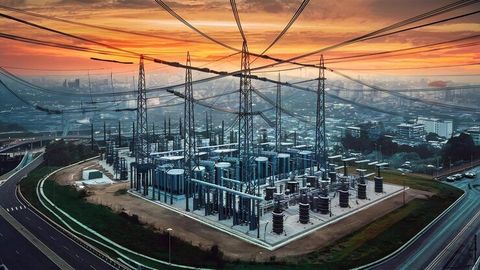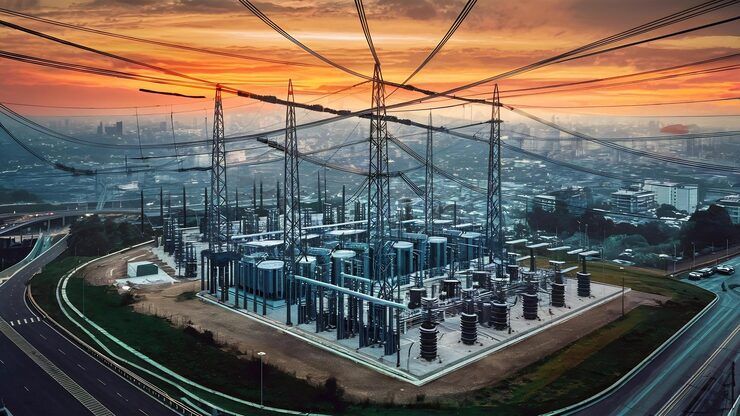
Electric power project systems are structured setups used to generate, transmit, distribute, and manage electricity efficiently. These systems form the backbone of modern infrastructure, supporting industries, households, transportation, and digital services. They include a wide range of project types such as thermal power plants, hydroelectric systems, solar farms, wind energy projects, and hybrid energy systems.
In recent years, comparing electric power project systems has become increasingly important due to rapid global energy transitions. Governments, utilities, and private developers are shifting toward cleaner energy sources while balancing reliability and economic feasibility. The rise of renewable energy, grid modernization, and energy storage solutions has significantly influenced decision-making in power project planning.
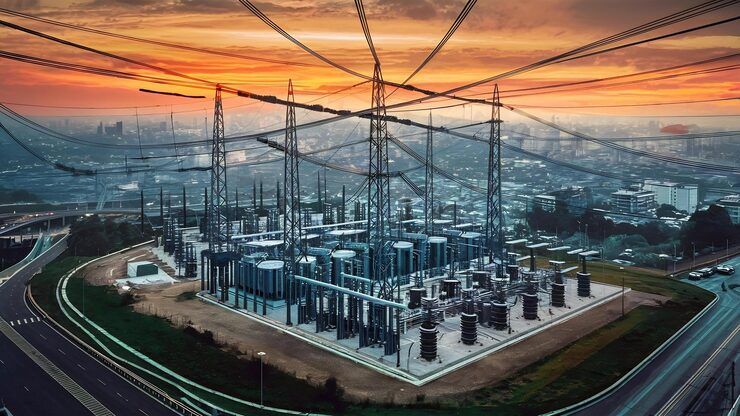
Current trends show rapid growth in solar and wind installations, increasing integration of battery storage, and digital monitoring through smart systems. These developments impact investment decisions, regulatory frameworks, and long-term energy planning. Understanding the differences between various electric power systems helps stakeholders make informed choices based on efficiency, environmental impact, and economic viability.
Who It Affects and What Problems It Solves
Electric power project systems affect a wide range of stakeholders. Governments rely on them to ensure energy security and meet climate targets. Utility companies use these systems to deliver consistent electricity to consumers. Businesses depend on reliable power for operations, while households require stable electricity for daily life. Investors and developers also play a key role in financing and executing these projects.
For developing regions, power project systems are crucial for economic growth and infrastructure expansion. In urban areas, they support high energy demand driven by industrialization and digitalization. In rural areas, decentralized systems like solar microgrids help improve access to electricity.
Problems These Systems Solve
- Energy Shortage: Power projects increase electricity generation capacity to meet growing demand.
- Reliability Issues: Advanced systems improve grid stability and reduce outages.
- Environmental Impact: Renewable energy projects reduce greenhouse gas emissions.
- Cost Efficiency: Modern technologies optimize fuel usage and reduce long-term costs.
- Energy Access: Distributed systems bring electricity to remote and underserved areas.
Recent Updates and Trends
The past year has seen notable developments in electric power project systems:
- Renewable Energy Expansion: Solar and wind capacity additions continue to outpace fossil fuel projects globally. Many countries are investing heavily in large-scale solar parks and offshore wind farms.
- Energy Storage Growth: Battery storage systems are increasingly integrated with renewable projects to address intermittency issues.
- Grid Modernization: Smart grids and digital monitoring tools are improving efficiency, fault detection, and load management.
- Hybrid Power Systems: Combining solar, wind, and storage in a single project is becoming more common to ensure consistent energy supply.
- Policy Push: Governments are introducing incentives, subsidies, and stricter emissions regulations to accelerate clean energy adoption.
- Decentralization: Microgrids and distributed energy systems are gaining traction, especially in remote and rural regions.
These trends indicate a shift from centralized, fossil-fuel-based systems toward flexible, technology-driven, and environmentally sustainable solutions.
Comparison of Electric Power Project Systems
| Parameter | Thermal Power Systems | Hydropower Systems | Solar Power Systems | Wind Power Systems | Hybrid Systems |
|---|---|---|---|---|---|
| Energy Source | Coal, gas, oil | Water flow | Sunlight | Wind | Multiple (solar + wind + storage) |
| Initial Cost | Moderate to high | High | Decreasing | Moderate | High |
| Operating Cost | High (fuel required) | Low | Low | Low | Moderate |
| Environmental Impact | High emissions | Low emissions | Very low emissions | Very low emissions | Very low emissions |
| Reliability | High | High (season-dependent) | Medium (daylight dependent) | Medium (wind dependent) | High |
| Maintenance | High | Moderate | Low | Moderate | Moderate |
| Scalability | Limited | Location-dependent | Highly scalable | Scalable | Flexible |
| Setup Time | Long | Very long | Short | Medium | Medium |
| Best Use Case | Base load power | Long-term stable supply | Distributed & utility scale | Coastal & high-wind areas | Balanced energy supply |
Laws and Policies Impacting Electric Power Projects
Electric power project systems are heavily influenced by government regulations, environmental laws, and energy policies. These frameworks vary by country but generally focus on sustainability, safety, and efficiency.
Key Policy Areas
- Environmental Regulations: Power projects must comply with emission standards and environmental impact assessments. Thermal plants face stricter regulations due to carbon emissions.
- Renewable Energy Targets: Governments set targets to increase the share of renewable energy in the total energy mix.
- Subsidies and Incentives: Solar and wind projects often receive financial support, tax benefits, or feed-in tariffs.
- Grid Integration Rules: Regulations ensure that new power projects can connect to existing grid infrastructure efficiently.
- Land and Water Use Policies: Hydropower and solar farms must comply with land acquisition and environmental conservation rules.
Practical Guidance
- Choose Thermal Systems when consistent base load power is required and fuel supply is stable.
- Opt for Solar or Wind Systems in regions with abundant natural resources and supportive policies.
- Select Hybrid Systems when reliability and sustainability are both priorities.
- Consider Hydropower for long-term projects with access to water resources and environmental clearance.
Understanding these policies helps in selecting the right system based on location, budget, and long-term goals.
Tools and Resources
Several tools and platforms can help in planning, analyzing, and managing electric power project systems:
- HOMER Energy Software: Used for designing and optimizing hybrid energy systems.
- PVsyst: A widely used tool for solar project simulation and performance analysis.
- RETScreen: Clean energy management software for feasibility analysis.
- SAM (System Advisor Model): Developed for performance and financial modeling of renewable projects.
- OpenDSS: Useful for power distribution system simulation.
- EnergyPlus: Helps analyze building energy consumption and efficiency.
- Government Portals: National energy dashboards provide policy updates and project data.
- GIS Tools: Help identify suitable locations for renewable energy projects.
These tools assist engineers, planners, and policymakers in making data-driven decisions.
Frequently Asked Questions (FAQ)
What are electric power project systems?
Electric power project systems are structured setups designed to generate, transmit, and distribute electricity using various energy sources like fossil fuels, water, sunlight, or wind.
Which power system is most environmentally friendly?
Solar and wind power systems are considered the most environmentally friendly due to their minimal emissions and renewable nature.
Why are hybrid power systems gaining popularity?
Hybrid systems combine multiple energy sources, improving reliability and reducing dependence on a single source, especially in variable conditions.
What factors should be considered when choosing a power system?
Key factors include cost, location, resource availability, environmental impact, reliability, and regulatory compliance.
Are renewable energy systems reliable?
While renewable systems depend on natural conditions, integrating storage solutions and hybrid setups significantly improves reliability.
Conclusion
Electric power project systems are evolving rapidly, driven by technological advancements, environmental concerns, and policy support. Data trends show a clear shift toward renewable and hybrid systems due to their lower emissions, decreasing costs, and scalability. While traditional thermal systems still play a role in ensuring base load stability, their environmental impact is leading to stricter regulations and reduced adoption in new projects.
Solar and wind systems are becoming the preferred choice for new installations, especially when combined with energy storage or hybrid configurations. Hydropower remains a reliable long-term option where geographical conditions permit.
In conclusion, the most suitable electric power project system depends on specific needs and conditions. For sustainable and future-ready solutions, hybrid and renewable systems offer the best balance of efficiency, cost-effectiveness, and environmental responsibility.