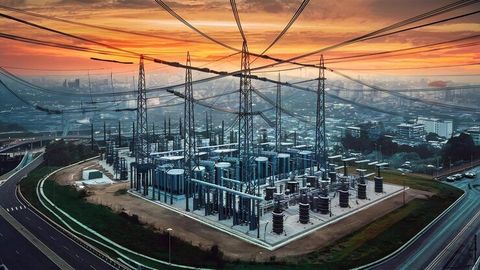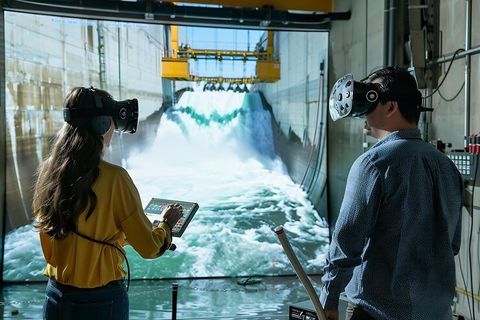
Renewable energy solution systems refer to technologies that generate power from naturally replenishing sources such as sunlight, wind, water, biomass, and geothermal heat. These systems include solar photovoltaic (PV) panels, wind turbines, hydroelectric generators, and hybrid energy setups that integrate multiple sources with storage technologies.
In recent years, the comparison of renewable energy systems has become increasingly important due to rising energy demand, climate concerns, and the need for energy security. Governments and industries worldwide are shifting toward cleaner energy portfolios to reduce dependence on fossil fuels and lower greenhouse gas emissions. According to international energy reports, renewables now account for a significant share of new power capacity additions globally.

Trends such as declining solar panel costs, advancements in battery storage, and grid modernization have made renewable systems more accessible and efficient. At the same time, variability in energy generation and infrastructure limitations create the need for informed comparisons. Understanding different renewable systems helps individuals, businesses, and policymakers make practical, data-driven decisions based on location, cost efficiency, and energy needs.
Who It Affects and What Problems It Solves
Renewable energy systems impact a wide range of stakeholders, including households, commercial enterprises, governments, and utility providers. For residential users, these systems offer an alternative to traditional electricity sources, potentially improving energy independence and reliability. Businesses benefit from long-term operational stability and alignment with sustainability goals, while governments use renewable infrastructure to meet climate targets and reduce import dependency.
In rural or remote areas, renewable solutions such as solar mini-grids or small wind systems can provide electricity access where grid expansion is not economically viable. Urban areas also benefit through distributed energy systems that reduce pressure on centralized grids.
Problems It Solves
- Energy Security: Reduces reliance on imported fossil fuels
- Environmental Impact: Lowers carbon emissions and air pollution
- Cost Stability: Protects against fuel price volatility
- Access to Electricity: Enables electrification in remote regions
- Grid Reliability: Supports decentralized and resilient power systems
However, challenges remain, including intermittency (e.g., solar and wind variability), initial capital investment, and infrastructure adaptation requirements.
Recent Updates and Trends
Over the past year, several notable developments have shaped renewable energy systems:
- Rapid Solar Expansion: Solar PV continues to lead global capacity additions due to declining module costs and improved efficiency rates.
- Battery Storage Growth: Energy storage systems, particularly lithium-ion batteries, have seen increased deployment to address intermittency challenges.
- Hybrid Systems Adoption: Combining solar, wind, and storage is becoming more common for consistent power supply.
- Policy Pushes: Many countries have updated renewable targets aligned with net-zero commitments for 2030–2050 timelines.
- Grid Modernization: Investments in smart grids and digital monitoring systems are improving energy distribution efficiency.
Additionally, innovations in green hydrogen production using renewable energy are emerging as a complementary solution for industrial decarbonization.
Renewable Energy Systems Comparison Table
| Energy Type | Source | Efficiency Range | Initial Cost | Maintenance | Reliability | Best Use Case |
|---|---|---|---|---|---|---|
| Solar PV | Sunlight | 15%–22% | Medium | Low | Moderate | Residential, commercial rooftops |
| Wind Energy | Wind | 35%–45% | High | Medium | Moderate | Large-scale power generation |
| Hydropower | Flowing Water | 70%–90% | High | Low | High | Utility-scale, stable regions |
| Biomass Energy | Organic Material | 20%–30% | Medium | High | High | Agricultural and industrial use |
| Geothermal | Earth Heat | 10%–20% | High | Low | Very High | Areas with geothermal resources |
This table highlights that no single renewable system fits all scenarios. Selection depends on geographic conditions, budget, and energy demand patterns.
Laws and Policies Affecting Renewable Energy Systems
Renewable energy systems are heavily influenced by government policies, incentives, and regulatory frameworks. In India, several initiatives support renewable adoption:
- National Solar Mission: Promotes solar power development with capacity targets and incentives
- Renewable Purchase Obligations (RPO): Mandates utilities to procure a percentage of power from renewable sources
- Net Metering Policies: Allows consumers to feed excess solar energy back into the grid
- Production-Linked Incentives (PLI): Supports domestic manufacturing of solar components
- State-Level Subsidies: Additional benefits for rooftop solar installations
Practical Guidance
- Residential Users: Rooftop solar systems are often the most practical due to subsidies and net metering benefits
- Commercial Users: Hybrid systems (solar + storage) provide better reliability and cost optimization
- Industrial Sector: Biomass and captive solar plants can support continuous operations
- Rural Areas: Off-grid solar or micro-hydro systems are suitable where grid access is limited
Policy frameworks continue to evolve, making it essential to stay updated with local regulations and incentives.
Tools and Resources
Several tools and platforms help evaluate and implement renewable energy systems effectively:
- Solar Calculators: Estimate system size, cost, and energy output
- Energy Simulation Software: Tools like HOMER for hybrid system design
- Government Portals: Provide subsidy details and application processes
- Smart Monitoring Apps: Track real-time energy generation and consumption
- Financial Models/Templates: Help calculate return on investment (ROI)
- GIS Mapping Tools: Assess solar radiation and wind potential by location
These resources enable data-driven planning and improve decision accuracy.
Frequently Asked Questions (FAQ)
What is the most efficient renewable energy system?
Hydropower generally has the highest efficiency, but availability depends on geographic conditions.
Which renewable system is best for homes?
Solar photovoltaic systems are the most practical for residential use due to ease of installation and policy support.
Are renewable energy systems reliable?
Reliability varies by type. Hybrid systems with storage improve consistency significantly.
What is the biggest challenge in renewable energy?
Intermittency and initial installation costs are key challenges, though technology improvements are addressing them.
How do government policies impact renewable adoption?
Policies such as subsidies, tax benefits, and net metering significantly influence affordability and adoption rates.
Conclusion
Renewable energy solution systems are central to modern energy strategies, offering measurable environmental and economic benefits. Data from global energy agencies consistently shows that solar and wind are leading new capacity additions due to declining costs and technological advancements. Meanwhile, hydropower and geothermal provide stability where conditions permit.
A comparative approach reveals that no single system is universally optimal. Solar energy is suitable for widespread adoption, wind energy excels in large-scale generation, and hybrid systems offer balanced reliability. Policy incentives and regional resource availability play a crucial role in determining feasibility.
For most users, especially in regions with strong sunlight availability, solar-based systems combined with storage provide a practical and scalable solution. However, integrating multiple renewable sources can enhance efficiency and resilience in larger applications.