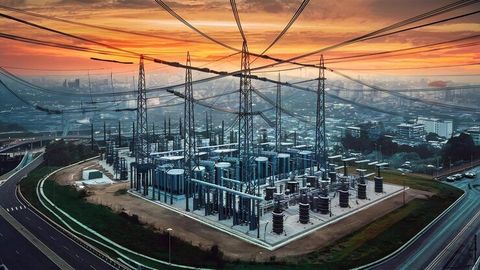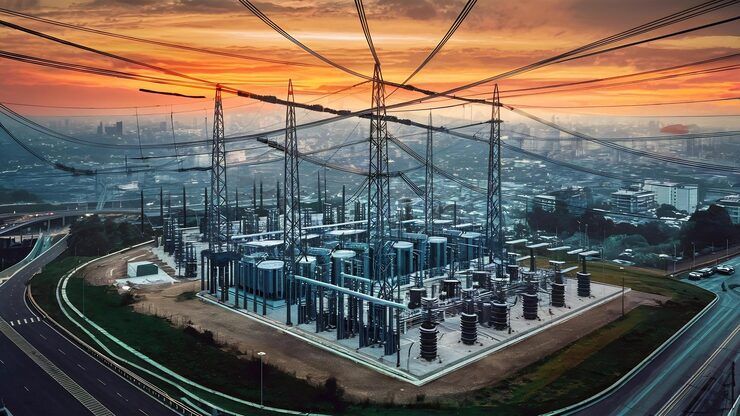
Electric power project systems form the backbone of modern infrastructure, enabling electricity generation, transmission, and distribution across regions. These systems encompass a wide range of technologies, including thermal power plants, renewable energy systems (such as solar and wind), hydropower, and hybrid energy systems. Each system differs in terms of cost structure, environmental impact, scalability, and operational complexity.
In recent years, comparing electric power project systems has become increasingly important due to rapid global energy transitions. Governments, utilities, and private developers are shifting toward cleaner energy sources while balancing reliability and economic feasibility. The rise of renewable energy, grid modernization, and energy storage solutions has significantly influenced decision-making in power project planning.
Current trends highlight increased investment in solar photovoltaic (PV) systems, wind energy expansion, and hybrid projects integrating battery storage. Additionally, digital technologies such as smart grids and predictive maintenance tools are transforming how power systems operate. These developments have a direct impact on energy security, carbon emissions reduction, and long-term sustainability goals, making a structured comparison essential for informed decision-making.
Who It Affects and What Problems It Solves
Electric power project systems affect a wide range of stakeholders, including government agencies, energy developers, industrial consumers, and residential users. Policymakers rely on these systems to ensure energy security and meet climate targets. Utilities and private investors use them to determine project feasibility and long-term returns. Meanwhile, industries depend on reliable power systems for uninterrupted operations, and households benefit from stable and affordable electricity supply.
The choice of a power project system also influences regional development. For example, renewable projects can provide decentralized energy access in remote areas, while large-scale thermal or hydro projects support urban and industrial growth. Financial institutions are also impacted, as they evaluate risk, return, and sustainability metrics before funding such projects.
Problems These Systems Solve
- Energy Demand Fulfillment: Addresses growing electricity demand due to urbanization and industrialization
- Carbon Emission Reduction: Renewable systems reduce dependence on fossil fuels
- Grid Reliability: Hybrid and diversified systems enhance stability
- Energy Access: Decentralized systems improve rural electrification
- Cost Optimization: Efficient systems lower long-term operational costs
Recent Updates and Trends (Past Year)
The electric power sector has seen notable developments over the past year, driven by technological innovation and policy changes:
- Renewable Energy Growth: Solar and wind installations have continued to dominate new capacity additions globally, supported by falling technology costs
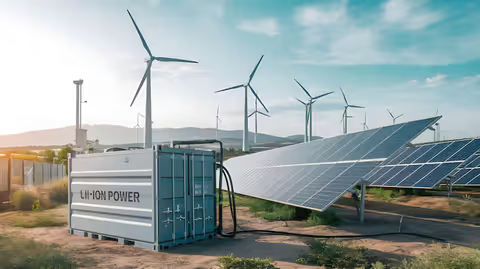
- Energy Storage Expansion: Battery energy storage systems (BESS) are increasingly integrated into power projects to address intermittency issues
- Hybrid Power Projects: Combining solar, wind, and storage in a single system has become a preferred model for improving efficiency and reliability
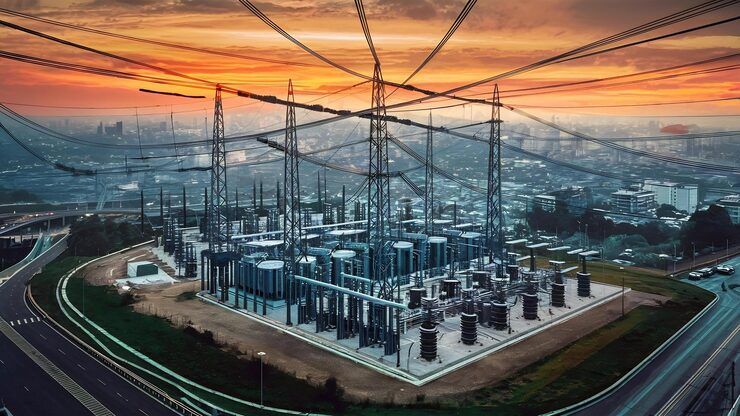
- Grid Modernization: Smart grid technologies, including real-time monitoring and automation, are being deployed to enhance system performance
- Hydrogen Integration: Green hydrogen projects linked with renewable power systems are emerging as a future energy solution
- Decentralized Energy Systems: Microgrids and distributed generation are gaining traction in both urban and rural settings
These updates reflect a broader shift toward flexible, sustainable, and digitally enabled power systems.
Comparative Overview of Electric Power Project Systems
| Parameter | Thermal Power Systems | Solar Power Systems | Wind Power Systems | Hydropower Systems | Hybrid Systems |
|---|---|---|---|---|---|
| Energy Source | Fossil fuels (coal, gas) | Sunlight | Wind | Water flow | Multiple (solar, wind, storage) |
| Capital Cost | Moderate to high | Moderate (declining) | Moderate | High | High |
| Operating Cost | High (fuel-dependent) | Low | Low | Low | Moderate |
| Environmental Impact | High emissions | Minimal emissions | Minimal emissions | Low emissions | Very low emissions |
| Reliability | High | Intermittent | Intermittent | High | High (with storage) |
| Scalability | Limited | Highly scalable | Scalable | Site-specific | Highly flexible |
| Setup Time | Long | Short | Medium | Long | Medium |
| Maintenance | High | Low | Moderate | Moderate | Moderate |
| Grid Integration | Established | Requires upgrades | Requires upgrades | Stable | Advanced integration needed |
Laws and Policies Affecting Electric Power Project Systems
Electric power projects are heavily influenced by national and regional regulations. In India and many other countries, policies focus on promoting renewable energy while ensuring grid stability and affordability.
Key Policy Areas
- Renewable Energy Targets: Governments set capacity goals for solar, wind, and other clean energy sources
- Tariff Regulations: Electricity pricing mechanisms, including feed-in tariffs and competitive bidding
- Environmental Compliance: Emission standards and environmental impact assessments
- Grid Codes: Technical standards for connecting power projects to the grid
- Subsidies and Incentives: Financial support for renewable and hybrid projects
Practical Guidance
- Thermal Systems: Suitable where consistent baseload power is required and fuel supply is secure
- Solar and Wind Systems: Ideal for regions with high solar irradiance or wind potential, supported by favorable policies
- Hydropower: Best for areas with suitable water resources and long-term infrastructure planning
- Hybrid Systems: Recommended where grid reliability and renewable integration are priorities
Policy alignment plays a critical role in determining project feasibility and long-term sustainability.
Tools and Resources for Electric Power Project Systems
Several tools and resources are available to support planning, analysis, and management of electric power projects:
Planning and Simulation Tools
- HOMER Energy – for hybrid system optimization
- PVSyst – solar energy system design and simulation
- WindPRO – wind resource assessment
Financial and Economic Analysis
- RETScreen – clean energy project analysis
- Levelized Cost of Energy (LCOE) calculators
Grid and System Management
- SCADA systems – real-time monitoring and control
- Energy Management Systems (EMS)
Data and Research Platforms
- International Energy Agency (IEA) reports
- National energy dashboards and statistics portals
Templates and Documentation
- Project feasibility study templates
- Environmental impact assessment frameworks
These resources help stakeholders make data-driven decisions and improve project efficiency.
Frequently Asked Questions (FAQ)
What is the most efficient electric power system today?
Efficiency depends on context. Renewable systems like solar and wind are highly efficient in suitable environments, while hybrid systems offer the best balance of reliability and efficiency.
Why are hybrid power systems gaining popularity?
They combine multiple energy sources and storage, reducing intermittency and improving grid stability.
How do operating costs compare across systems?
Thermal systems have high operating costs due to fuel, while renewable systems generally have lower ongoing costs.
What factors should be considered when choosing a power system?
Key factors include location, resource availability, cost, environmental impact, and policy support.
Are renewable energy systems reliable enough for large-scale use?
Yes, especially when combined with energy storage and smart grid technologies.
Conclusion
Electric power project systems are evolving rapidly, driven by the need for sustainable, reliable, and cost-effective energy solutions. Data trends indicate a clear shift toward renewable and hybrid systems, supported by declining technology costs and strong policy frameworks. While thermal systems continue to provide baseload power, their environmental and operational challenges are prompting a transition toward cleaner alternatives.
Hybrid systems, in particular, stand out as a practical solution, offering flexibility, improved reliability, and reduced emissions. Solar and wind systems are increasingly viable due to scalability and lower operating costs, while hydropower remains a stable long-term option where resources permit.
In conclusion, the most suitable electric power project system depends on specific project requirements, geographic conditions, and policy environments. However, for most modern applications, a combination of renewable energy sources integrated with storage and smart grid technologies provides the most balanced and future-ready approach.