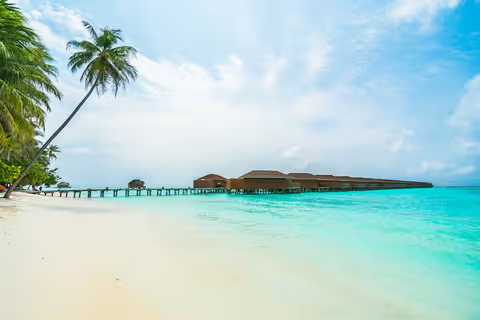
Weekend getaway ideas refer to short-duration travel plans typically spanning one to three days designed to offer relaxation, exploration, or rejuvenation without requiring extensive planning or long-distance travel. These trips have gained significant relevance in recent years due to evolving work patterns, rising stress levels, and increased awareness of work-life balance. The shift toward hybrid work models and flexible schedules has further amplified the popularity of short, frequent travel experiences.
Recent travel trends show a growing preference for micro-travel, where individuals prioritize shorter, more frequent trips over long vacations. According to global tourism observations, travelers are increasingly opting for nearby destinations, eco-friendly stays, and personalized experiences. This shift reduces travel fatigue, minimizes costs, and supports local economies.

The importance of comparing different weekend getaway options lies in optimizing time, budget, and experience. With limited time available, choosing the right destination whether a nature retreat, cultural city break, or adventure trip can significantly impact satisfaction. Understanding the types, benefits, and constraints of each option helps travelers make informed decisions aligned with their preferences and constraints.
Who It Affects and What Problems It Solves
Weekend getaways are relevant to a wide range of individuals, including working professionals, students, families, and entrepreneurs. For professionals, especially those in high-pressure environments, short breaks help reduce burnout and improve productivity. Students often use weekend trips as a way to explore new places affordably, while families benefit from bonding opportunities without the complexity of long vacations.
Urban residents are particularly influenced by this trend. Living in fast-paced environments often leads to mental fatigue, making short escapes to quieter or natural settings highly beneficial. Additionally, remote workers and freelancers now leverage weekend travel as a lifestyle choice, combining work flexibility with leisure.
Problems It Solves
- Time Constraints: Offers travel opportunities without requiring long leaves or extensive planning
- Stress and Burnout: Provides quick mental refreshment and improved well-being
- Budget Limitations: Enables affordable travel due to shorter duration and proximity
- Decision Fatigue: Simplifies planning with fewer variables compared to long trips
- Work-Life Balance: Encourages regular breaks, improving long-term productivity
Recent Updates and Emerging Trends
Over the past year, several notable trends have influenced weekend getaway planning:
- Rise of “Slow Travel”: Travelers are focusing on fewer destinations with deeper experiences rather than packed itineraries
- Eco-conscious Travel: Increased demand for sustainable accommodations and low-impact travel methods
- Digital Planning Tools: Growth in AI-based itinerary planners and real-time travel apps
- Local Tourism Boost: Governments and tourism boards are promoting regional travel to support local economies
- Flexible Booking Policies: Many travel providers now offer rescheduling options due to changing travel conditions
- Experiential Travel: Increased interest in activities such as farm stays, trekking, wellness retreats, and cultural immersion
In India specifically, there has been a noticeable increase in short trips to hill stations, coastal towns, and heritage cities, particularly within a 300–500 km radius of major urban centers.
Comparison of Weekend Getaway Types
| Getaway Type | Ideal Duration | Cost Range | Key Benefits | Limitations | Best For |
|---|---|---|---|---|---|
| Nature Retreat | 2–3 days | Low–Medium | Relaxation, fresh air, scenic views | Limited connectivity | Stress relief, solitude |
| City Break | 1–2 days | Medium | Culture, food, shopping | Crowds, higher expenses | Exploration, social travel |
| Adventure Trip | 2–3 days | Medium–High | Physical activity, thrill | Requires planning, fitness | Young travelers, groups |
| Wellness Retreat | 2–3 days | Medium–High | Mental and physical rejuvenation | Structured schedule | Health-focused travelers |
| Cultural Escape | 1–3 days | Low–Medium | Learning, heritage exploration | Limited entertainment options | History enthusiasts |
Insights from Comparison
- Nature retreats and cultural escapes are generally more budget-friendly
- Adventure and wellness trips require more preparation and cost planning
- City breaks are convenient but may not provide complete relaxation
- The best choice depends on the traveler’s objective: relaxation, exploration, or activity
Laws or Policies Affecting Weekend Travel
Weekend getaways are influenced by several regulatory and policy frameworks, particularly in countries like India:
Travel and Transportation Regulations
- State-wise travel guidelines may vary, especially during public health or environmental restrictions
- Road transport rules, toll systems, and vehicle documentation are essential for road trips
- Rail and air travel policies include ID requirements and digital ticketing systems
Environmental Regulations
- Protected areas such as wildlife sanctuaries and national parks require permits
- Restrictions on plastic usage and waste disposal are increasingly enforced
- Eco-sensitive zones may limit tourist numbers to preserve biodiversity
Tourism Development Programs
- Government initiatives promote rural and eco-tourism
- Infrastructure improvements (roads, rail connectivity) enhance accessibility to nearby destinations
- Digital tourism platforms provide verified travel information
Practical Guidance
- Choose destinations within legal and environmental guidelines
- Check entry requirements for protected or restricted areas
- Follow local sustainability practices to avoid penalties
- Use official tourism portals for updated travel advisories
Tools and Resources for Planning
Effective planning plays a crucial role in maximizing the benefits of a weekend getaway. Several tools and platforms can simplify this process:
Travel Planning Tools
- Route planners: Help optimize travel time and fuel usage
- Weather apps: Provide forecasts to avoid disruptions
- Budget calculators: Estimate trip expenses
Booking Platforms
- Accommodation aggregators for comparing hotels, homestays, and resorts
- Transportation booking systems for trains, buses, and flights
Navigation and Maps
- GPS-enabled apps for real-time directions and traffic updates
- Offline maps for areas with limited connectivity
Experience Platforms
- Activity booking platforms for local experiences such as trekking, guided tours, or workshops
Templates and Checklists
- Packing checklists
- Itinerary planners
- Expense trackers
Using these tools reduces uncertainty, saves time, and ensures a smoother travel experience.
Frequently Asked Questions (FAQ)
What is the ideal distance for a weekend getaway?
An ideal weekend destination is typically within 200–400 km, allowing travel time to remain under 6–8 hours for maximum enjoyment.
How can I choose the best type of getaway?
Identify your primary goal relaxation, adventure, or exploration and match it with the appropriate category such as nature retreat or city break.
Are weekend getaways cost-effective compared to long vacations?
Yes, shorter trips generally involve lower accommodation, transportation, and food costs, making them more budget-friendly.
What is the best time to plan a weekend trip?
Off-season or shoulder seasons are ideal, as they offer better pricing and fewer crowds.
How far in advance should I plan a weekend getaway?
Planning 1–2 weeks in advance is usually sufficient, though popular destinations may require earlier bookings.
Conclusion
Weekend getaways have evolved into a practical and efficient travel solution, especially in today’s fast-paced environment. Data trends indicate a consistent rise in short-duration travel due to flexibility, affordability, and accessibility. Compared to traditional vacations, these trips offer a higher frequency of travel experiences while minimizing logistical complexity.
The comparison of different getaway types shows that no single option fits all travelers. Nature retreats excel in relaxation, city breaks in accessibility, and adventure trips in engagement. The optimal choice depends on individual priorities such as time, budget, and desired experience.
From a practical standpoint, selecting destinations within a manageable distance, leveraging digital tools, and aligning with current travel regulations can significantly enhance the experience. As travel behavior continues to shift toward shorter, more meaningful journeys, weekend getaways are likely to remain a dominant trend.