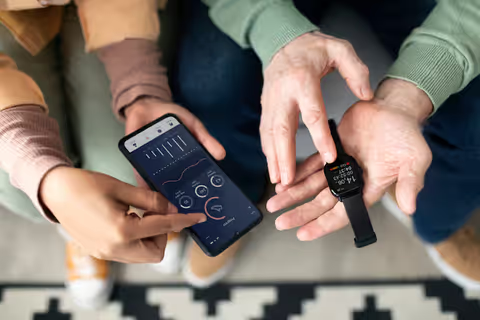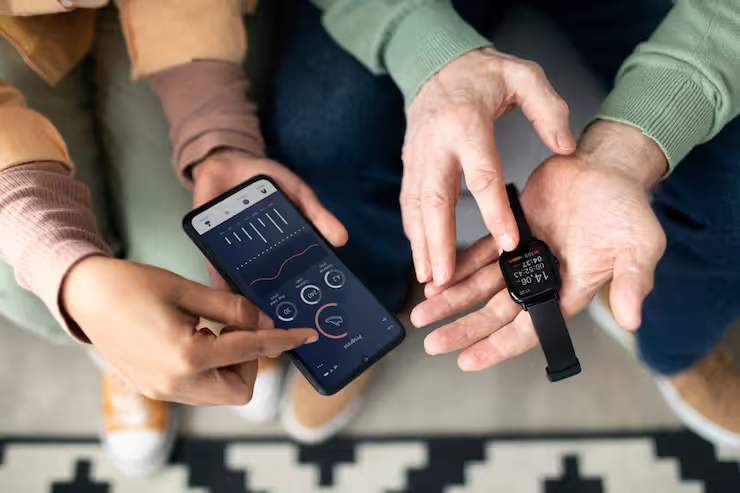
Wearable gadgets are compact electronic devices designed to be worn on the body, often integrating sensors, connectivity, and advanced computing capabilities. These devices include smartwatches, fitness trackers, smart glasses, and health-monitoring wearables. They exist to simplify everyday tasks, enhance personal productivity, and provide real-time data insights.
The rapid evolution of Internet of Things (IoT devices), artificial intelligence, and cloud computing has made wearable technology more efficient and accessible. Modern wearable gadgets collect data such as heart rate, steps, sleep patterns, and even blood oxygen levels, transforming raw information into actionable insights.
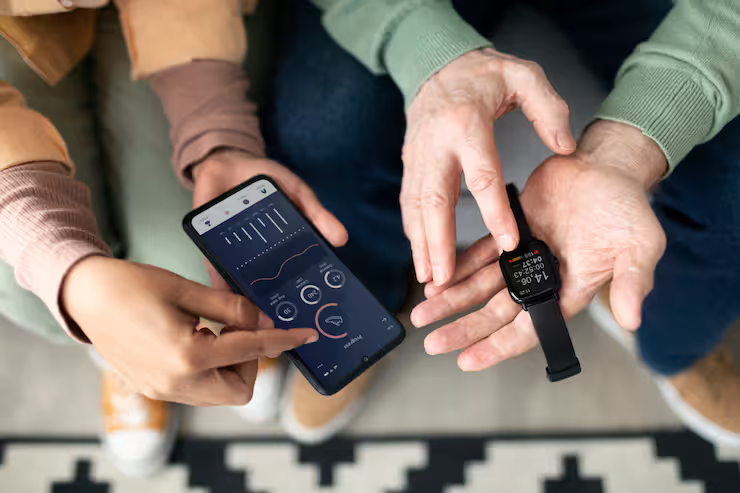
From digital health monitoring to mobile productivity tools, wearable devices bridge the gap between technology and human activity. Their design focuses on convenience, portability, and continuous data tracking, making them an essential part of smart living ecosystems.
Why Wearable Gadgets Matter in Today’s Digital World
Wearable gadgets have become increasingly relevant due to the growing focus on health awareness, digital transformation, and connected lifestyles. They impact a wide range of users, including fitness enthusiasts, healthcare professionals, remote workers, and tech-savvy consumers.
These devices solve several modern challenges:
-
Health Monitoring and Preventive Care: Wearables provide continuous tracking of vital signs, enabling early detection of potential health issues.
-
Productivity Optimization: Smartwatches and wearable productivity tools help manage schedules, notifications, and communication efficiently.
-
Fitness and Wellness Tracking: Fitness trackers encourage physical activity through step counting, calorie tracking, and workout analytics.
-
Data-Driven Decision Making: Real-time analytics from wearable sensors allow users to make informed lifestyle choices.
-
Remote Healthcare Support: Wearables support telemedicine by sharing patient data with healthcare systems.
The rise of digital health technology and smart wearable devices is transforming industries such as healthcare, sports, and enterprise productivity. As a result, wearable gadgets play a critical role in improving quality of life and enhancing efficiency.
Latest Trends and Updates in Wearable Technology
The wearable technology industry has witnessed significant advancements over the past year, driven by innovations in artificial intelligence, sensor accuracy, and connectivity.
-
AI-Powered Health Insights (2025): Wearables now use machine learning algorithms to provide personalized health recommendations based on user behavior.
-
Advanced Biometric Sensors (2024–2025): Devices now include ECG monitoring, stress tracking, and hydration level analysis.
-
Integration with Smart Ecosystems: Wearables are increasingly connected with smart home devices, enabling seamless automation.
-
Extended Battery Life Innovations: New chipsets and energy-efficient designs have improved battery performance significantly.
-
Wearable Payment Systems: Contactless payment integration has expanded, supporting digital wallets and secure transactions.
-
AR and Smart Glasses Growth: Augmented reality wearables are gaining traction in education, healthcare, and enterprise applications.
Key Wearable Technology Trends Table
| Trend | Description | Impact Area |
|---|---|---|
| AI Health Analytics | Personalized insights using machine learning | Healthcare |
| Biometric Monitoring | Advanced sensors for vital tracking | Fitness & Medical |
| IoT Integration | Connectivity with smart devices | Smart Living |
| Wearable Payments | Secure contactless transactions | Fintech |
| AR Wearables | Augmented reality experiences | Education & Enterprise |
These developments highlight how wearable gadgets are evolving from simple tracking devices into comprehensive digital companions.
Regulations and Policies Affecting Wearable Gadgets
Wearable gadgets are influenced by various laws and regulatory frameworks, particularly in areas such as data privacy, healthcare compliance, and wireless communication standards.
-
Data Protection Regulations: Policies like GDPR (Europe) and India’s Digital Personal Data Protection Act (2023) emphasize user consent and secure data handling.
-
Medical Device Compliance: Health-focused wearables must comply with medical standards if they provide diagnostic or clinical insights.
-
Wireless Communication Standards: Devices must meet Bluetooth, Wi-Fi, and spectrum regulations to ensure safe connectivity.
-
Cybersecurity Guidelines: Governments encourage secure firmware updates and encryption to protect sensitive user data.
-
Consumer Protection Policies: Regulations ensure transparency in features, performance, and safety claims.
These policies aim to protect users while encouraging innovation in wearable technology. Compliance with such frameworks is essential for maintaining trust and reliability in the ecosystem.
Tools, Platforms, and Resources for Wearable Technology
Several tools and platforms enhance the usability and functionality of wearable gadgets. These resources support data analysis, app integration, and device management.
-
Health Tracking Apps:
-
Google Fit
-
Apple Health
-
Samsung Health
-
-
IoT and Development Platforms:
-
Arduino IoT Cloud
-
Raspberry Pi ecosystem
-
AWS IoT Core
-
-
Data Analytics Tools:
-
Tableau for visualizing wearable data
-
Power BI dashboards for performance insights
-
-
Fitness and Wellness Platforms:
-
MyFitnessPal for nutrition tracking
-
Strava for activity tracking
-
-
Wearable SDKs and APIs:
-
Android Wear OS SDK
-
Apple WatchKit
-
Wearable Data Flow Overview
| Stage | Description |
|---|---|
| Data Collection | Sensors capture user activity data |
| Data Processing | Algorithms analyze collected data |
| Data Storage | Cloud platforms store information |
| Data Visualization | Apps display insights and reports |
These tools enable users and developers to maximize the potential of wearable gadgets by transforming raw data into meaningful insights.
Common Questions About Wearable Gadgets
What are wearable gadgets used for?
Wearable gadgets are used for health monitoring, fitness tracking, communication, and productivity enhancement. They provide real-time data and insights to improve daily activities.
Are wearable devices accurate for health tracking?
Most modern wearables offer high accuracy for general health metrics like heart rate and steps. However, they are not a substitute for professional medical devices unless certified.
How do wearable gadgets connect to other devices?
They typically connect through Bluetooth, Wi-Fi, or cloud-based platforms, allowing synchronization with smartphones and other smart devices.
What is the role of AI in wearable technology?
Artificial intelligence helps analyze user data, detect patterns, and provide personalized recommendations for health and performance improvement.
Are wearable gadgets secure?
Security depends on device design and compliance with data protection standards. Many devices use encryption and secure authentication to protect user data.
Final Thoughts on Wearable Gadgets and Future Outlook
Wearable gadgets represent a significant step forward in the integration of technology into everyday life. They offer a powerful combination of convenience, real-time data tracking, and intelligent insights that support healthier and more productive lifestyles.
As advancements in AI, IoT, and sensor technology continue, wearable devices are expected to become even more sophisticated. Future innovations may include non-invasive health diagnostics, enhanced augmented reality experiences, and deeper integration with smart environments.
Understanding wearable technology, its benefits, and its evolving ecosystem allows users to make informed decisions and fully leverage the potential of these smart devices.