Renewable system devices refer to technologies that harness natural energy sources such as sunlight, wind, water, and biomass to generate electricity or heat. These systems include solar panels, wind turbines, hydropower units, and bioenergy devices. As global energy demand rises and environmental concerns intensify, renewable devices are increasingly being compared to determine their efficiency, scalability, and suitability for different applications.
This comparison matters more than ever due to rapid advancements in clean energy technologies and global commitments to reduce carbon emissions. Governments, industries, and households are transitioning toward renewable solutions to address climate change, reduce dependency on fossil fuels, and improve energy security. According to recent reports from international energy agencies, renewable energy capacity additions have consistently grown over the past few years, with solar and wind leading the expansion.
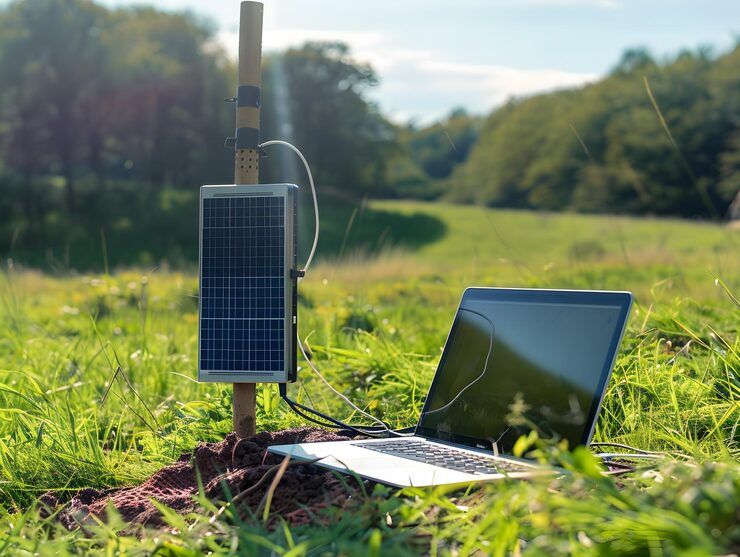
Trends such as decentralized energy systems, smart grids, and energy storage integration are reshaping how renewable devices are deployed. Understanding the differences between these systems helps users make informed decisions based on cost-efficiency, environmental impact, and long-term sustainability.
Who It Affects and What Problems It Solves
Renewable system devices impact a wide range of stakeholders, including homeowners, businesses, policymakers, and utility providers. For residential users, these devices offer opportunities to reduce electricity bills and gain energy independence. Businesses benefit from lower operational costs and improved sustainability credentials, which are increasingly important in regulatory and consumer landscapes.
At a broader level, governments and energy planners rely on renewable systems to meet climate targets and reduce reliance on imported fuels. In developing regions, renewable devices also play a critical role in expanding energy access to remote or underserved communities.
Problems It Solves
- Energy Security Issues: Renewable devices reduce dependence on finite fossil fuels and volatile global energy markets.
- Environmental Concerns: They significantly lower greenhouse gas emissions and air pollution.
- Rising Energy Costs: Once installed, many renewable systems have low operational costs.
- Grid Limitations: Distributed renewable systems help reduce strain on centralized power grids.
- Access to Electricity: Off-grid renewable systems provide solutions in rural and remote areas.
Recent Updates and Trends
Over the past year, renewable system devices have seen notable technological and policy-driven developments:
- Efficiency Improvements: Solar panel efficiencies have improved with advanced materials such as perovskite cells, enhancing energy output in limited space.
- Energy Storage Integration: Battery storage systems are increasingly paired with solar and wind devices to address intermittency issues.
- Hybrid Systems Growth: Combining multiple renewable sources (e.g., solar + wind) is becoming more common for consistent energy supply.
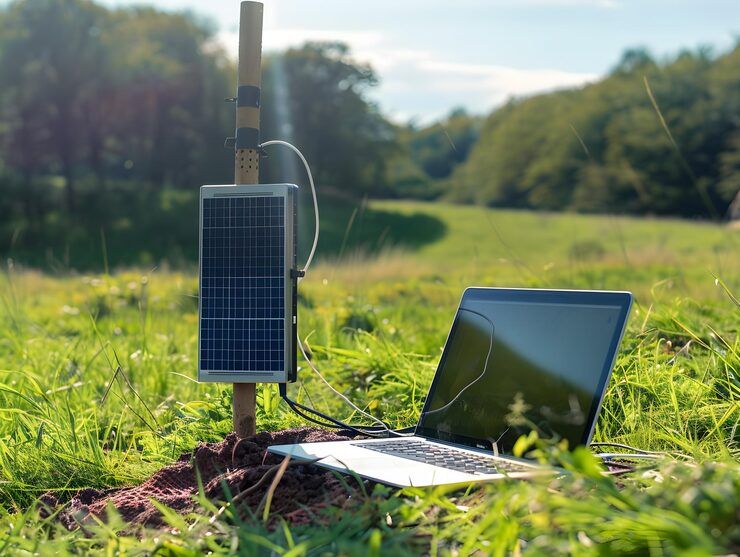
- Digital Monitoring: Smart monitoring tools and IoT-enabled devices allow real-time performance tracking and predictive maintenance.
- Cost Reductions: Continued manufacturing scale and innovation have lowered the cost per unit of renewable energy devices, especially solar modules.
Additionally, global investments in renewable infrastructure have increased, with several countries accelerating their transition plans to meet climate goals set for 2030 and beyond.
Comparison Table of Renewable System Devices
| Feature / Device | Solar Panels | Wind Turbines | Hydropower Systems | Biomass Systems |
|---|---|---|---|---|
| Energy Source | Sunlight | Wind | Flowing Water | Organic Material |
| Installation Scale | Small to Large | Medium to Large | Large (mostly) | Small to Medium |
| Initial Cost | Moderate | High | Very High | Moderate |
| Maintenance | Low | Moderate | High | Moderate |
| Energy Output Stability | Moderate (daylight) | Variable (wind speed) | High | High |
| Environmental Impact | Low | Low | Moderate (ecosystems) | Moderate (emissions) |
| Space Requirement | Moderate | High | Very High | Moderate |
| Lifespan | 20–30 years | 20–25 years | 30–50 years | 15–25 years |
| Best Use Case | Residential, Commercial | Utility-scale projects | Large-scale energy | Rural, industrial use |
Laws and Policies Affecting Renewable System Devices
Renewable energy systems are significantly influenced by national and regional policies. In countries like India, renewable adoption is supported through various government programs and regulatory frameworks.
Key Policy Areas
- Subsidies and Incentives: Governments provide financial assistance for installing solar panels and other renewable systems.
- Net Metering Policies: Allow users to feed excess electricity back into the grid and receive credits.
- Renewable Purchase Obligations (RPOs): Mandate utilities to source a percentage of power from renewable sources.
- Tax Benefits: Accelerated depreciation and tax deductions for businesses investing in renewable devices.
Practical Guidance
- Residential Use: Solar panels are often the most practical due to subsidies and ease of installation.
- Industrial Use: Wind or biomass systems may be more suitable for large-scale energy needs.
- Rural Areas: Hybrid systems (solar + biomass) can provide reliable off-grid solutions.
- Urban Settings: Rooftop solar systems are commonly preferred due to space constraints.
Compliance with local regulations, permits, and grid connection requirements is essential before installing any renewable system device.
Tools and Resources
Several tools and platforms can help users evaluate, design, and manage renewable system devices:
- Energy Calculators: Tools that estimate energy generation based on location and system size.
- Simulation Software: Platforms like PV system simulators for solar performance analysis.
- Monitoring Apps: Mobile apps that track energy production and consumption in real time.
- Government Portals: Official websites providing policy details, subsidies, and application processes.
- Design Templates: Pre-configured system layouts for residential or commercial installations.
- Financial Planning Tools: ROI calculators for renewable energy investments.
These resources assist in making data-driven decisions and optimizing system performance over time.
FAQ
What is the most efficient renewable system device?
Efficiency depends on context. Solar panels are efficient for residential use, while hydropower systems offer high efficiency at large scales.
Are renewable devices reliable for continuous energy supply?
Some systems like solar and wind are intermittent, but combining them with storage solutions improves reliability.
How long do renewable system devices last?
Most systems last between 20–30 years, with hydropower systems lasting even longer under proper maintenance.
What is the main limitation of renewable energy devices?
Intermittency and initial installation costs are common challenges, though advancements are addressing these issues.
Can renewable systems fully replace traditional energy sources?
In many cases, they can significantly reduce dependence on fossil fuels, but complete replacement often requires hybrid systems and storage integration.
Conclusion
Renewable system devices offer diverse solutions for modern energy challenges, each with unique advantages and limitations. Solar panels provide accessible and scalable options for households, while wind and hydropower systems cater to large-scale energy demands. Biomass systems offer flexibility, especially in rural and industrial contexts.
Data trends indicate that solar and wind technologies are leading global adoption due to falling costs and improved efficiency. However, no single system fits all scenarios. The optimal choice depends on factors such as location, energy needs, budget, and policy support.
A balanced approach often combining multiple renewable devices with energy storage delivers the most reliable and sustainable results. As technology continues to evolve, renewable systems are expected to become even more efficient, accessible, and integral to global energy infrastructure.