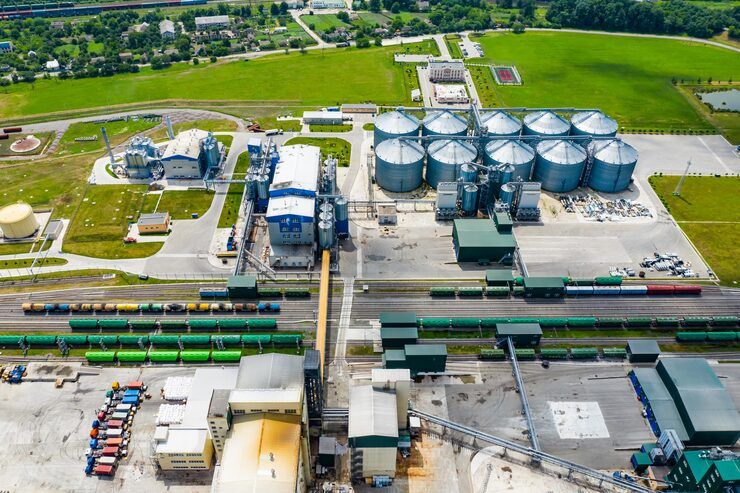
Biofuel production refers to the process of converting organic materials such as crops, agricultural residues, and waste into usable fuels like bioethanol, biodiesel, and biogas. These fuels are considered renewable because their feedstocks can be replenished over time, unlike fossil fuels. The most common biofuel types include first-generation fuels (derived from food crops like corn or sugarcane), second-generation fuels (from non-food biomass such as crop residues), and emerging third-generation fuels (such as algae-based biofuels).
In recent years, biofuel production has gained increased attention due to global concerns around climate change, energy security, and fossil fuel dependency. Governments and industries are exploring alternatives that can reduce greenhouse gas emissions while maintaining energy supply stability. Advances in biotechnology, waste-to-energy systems, and sustainable farming practices are shaping this sector.
The comparison of different biofuel production methods matters today because each approach varies in efficiency, cost, environmental impact, and scalability. Understanding these differences helps policymakers, researchers, and industries make informed decisions. With rising energy demand and stricter environmental regulations, biofuels are becoming a key component of the global energy transition.
Who It Affects and What Problems It Solves
Biofuel production impacts multiple stakeholders across sectors. Farmers benefit from additional revenue streams by supplying feedstock crops or agricultural residues. Energy producers and fuel companies use biofuels to diversify their energy portfolios and meet renewable energy targets. Governments rely on biofuels to reduce import dependency on fossil fuels and improve national energy security. Consumers, indirectly, experience changes in fuel pricing and environmental quality.
Industries such as transportation, aviation, and manufacturing are also influenced by biofuel adoption. For example, aviation biofuels are being explored to reduce carbon emissions in long-haul flights, while biodiesel is used in trucking and logistics sectors. Rural economies often see development through biofuel infrastructure investments.
Problems Biofuel Production Solves
- Reduces Carbon Emissions: Biofuels typically produce fewer net greenhouse gas emissions compared to fossil fuels.
- Energy Security: Decreases reliance on imported oil by promoting domestic energy production.
- Waste Management: Converts agricultural and organic waste into useful energy.
- Rural Development: Creates jobs and economic opportunities in agricultural regions.
- Diversification of Energy Sources: Reduces risks associated with fossil fuel price volatility.
However, challenges remain, such as land use competition, water consumption, and production costs.
Recent Updates and Trends (Past Year)
Recent developments in biofuel production highlight a shift toward sustainability and innovation:
- Advanced Biofuels Expansion: Governments and private sectors are investing more in second- and third-generation biofuels, especially those derived from waste and algae, to avoid food vs. fuel conflicts.
- Sustainable Aviation Fuel (SAF): Airlines globally are increasing trials and adoption of SAF blends, aiming to meet carbon reduction targets.
- Policy Incentives: Many countries have expanded ethanol blending mandates (e.g., E20 targets in emerging economies), encouraging higher biofuel usage.
- Technology Advancements: Improved enzymatic conversion processes and fermentation techniques are increasing yield efficiency.
- Carbon Accounting Standards: New frameworks are being introduced to measure lifecycle emissions more accurately, influencing production methods.
These updates indicate a transition from traditional crop-based biofuels toward more sustainable and efficient alternatives.
Comparative Overview of Biofuel Types
| Parameter | First-Generation Biofuels | Second-Generation Biofuels | Third-Generation Biofuels |
|---|---|---|---|
| Feedstock Source | Food crops (corn, sugarcane) | Agricultural waste, residues | Algae, microorganisms |
| Production Complexity | Low | Medium | High |
| Environmental Impact | Moderate (land use issues) | Lower (uses waste) | Potentially lowest |
| Cost | Relatively low | Moderate | High |
| Scalability | High | Growing | Limited (experimental) |
| Food Security Impact | High concern | Minimal | None |
| Technology Maturity | Established | Developing | Emerging |
Key Insights
- First-generation biofuels are widely used but raise sustainability concerns.
- Second-generation biofuels offer a balance between sustainability and feasibility.
- Third-generation biofuels hold long-term potential but require technological breakthroughs.
Laws and Policies Affecting Biofuel Production
Biofuel production is significantly shaped by government policies, regulations, and international agreements. These policies influence production levels, feedstock choices, and market adoption.
Key Policy Areas
- Blending Mandates: Governments set targets for mixing biofuels with conventional fuels (e.g., ethanol blending in petrol).
- Subsidies and Incentives: Financial support encourages biofuel production and infrastructure development.
- Sustainability Standards: Regulations ensure that biofuel production does not harm ecosystems or food supply.
- Carbon Reduction Targets: National climate goals push industries toward cleaner fuels.
Practical Guidance
- For Agricultural Regions: First- and second-generation biofuels may be more viable due to available feedstock.
- For Industrial and Urban Areas: Waste-based biofuels (second-generation) offer efficient solutions.
- For Long-Term Investment: Third-generation biofuels are suitable for research-driven strategies.
- For Policy Compliance: Producers must align with environmental standards and lifecycle emission requirements.
Policies vary by country but generally aim to balance energy needs with environmental sustainability.
Tools and Resources
Several tools and resources help in understanding and managing biofuel production:
Analytical Tools
- Lifecycle assessment (LCA) calculators for emissions analysis
- Energy yield calculators for different feedstocks
Digital Platforms
- Government energy portals providing policy updates
- Renewable energy data dashboards
Research Resources
- Academic journals on renewable energy
- Industry reports on biofuel trends
Software and Models
- Biofuel simulation software for production optimization
- Agricultural planning tools for feedstock management
Templates and Frameworks
- Carbon accounting templates
- Sustainability reporting frameworks
These tools support informed decision-making and efficient production planning.
Frequently Asked Questions
What is the main difference between biofuel generations?
First-generation biofuels use food crops, second-generation use waste biomass, and third-generation rely on algae or advanced biological systems.
Are biofuels completely carbon-neutral?
Not entirely. While they reduce emissions compared to fossil fuels, lifecycle emissions depend on production methods and feedstock.
Why are second-generation biofuels considered more sustainable?
They utilize waste materials, reducing competition with food production and lowering environmental impact.
What challenges limit third-generation biofuels?
High production costs, technological complexity, and scalability issues currently limit widespread adoption.
How do government policies influence biofuel production?
Policies such as blending mandates, subsidies, and environmental regulations directly affect production levels and market growth.
Conclusion
Biofuel production plays a critical role in the transition toward sustainable energy systems. Data and industry trends suggest that while first-generation biofuels dominate current markets due to established infrastructure and lower costs, their environmental and food security concerns limit long-term scalability. Second-generation biofuels offer a more balanced solution by utilizing waste materials and reducing ecological impact. Meanwhile, third-generation biofuels represent a promising future, though they require further technological advancements and cost reductions.
From a practical perspective, the most effective approach today is a combination strategy: leveraging first-generation biofuels for immediate needs, expanding second-generation solutions for sustainability, and investing in third-generation research for future energy security. This layered approach aligns with global energy goals and evolving regulatory frameworks.